What happened
On Monday, November 2, Iranian Foreign Ministry spokesperson Esmaeil Baghaei said Tehran’s existing plan to reopen the Strait of Hormuz could be implemented on a shorter timeline if the United States accepted Iran’s conditions. The proposal is being discussed through Qatari intermediaries; it is not an agreement to open the waterway within forty-eight hours regardless of U.S. action.
Reuters reported that Iranian negotiators left Doha on Sunday after meetings with Qatari mediators. An official briefed on the discussions said their departure was not caused by negotiating difficulties and that a draft document was circulating, with another meeting possible. That report does not establish that Washington has accepted the draft or that shipping has returned to normal.
What the proposal would require
Foreign Minister Abbas Araqchi described a two-day version of an earlier seven-day trust-building sequence. Iran has demanded that the United States lift its naval blockade and address restrictions on Iranian oil and ports; AFP reported that Tehran also demands an end to the war on all fronts. The precise sequencing matters: reopening would follow reciprocal steps, not precede them unconditionally.
Baghaei said the strait could not be reopened or secured unless the naval blockade ends and Iran’s requirements are addressed. Washington previously rejected Tehran’s initial plan. President Donald Trump has described the talks as productive and said the United States would not launch new attacks before the November 3 midterm elections, without ruling out later military action.
Why the strait matters
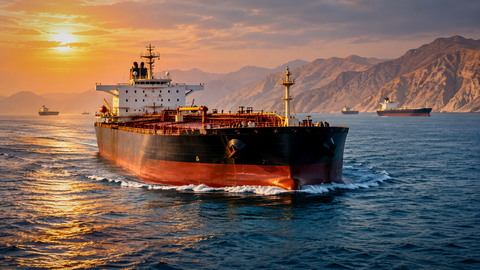
The Strait of Hormuz connects the Persian Gulf to the Gulf of Oman and wider international shipping lanes. A prolonged disruption can affect oil and natural-gas availability, shipping insurance premiums, tanker routes and ultimately fuel costs. The degree of impact varies with actual traffic volumes and market alternatives; no claim about immediate price reductions is justified merely by a diplomatic proposal.
The strait also matters for regional military security. Gulf states have sought to prevent further conflict while protecting export capacity, and Qatar’s diplomatic role provides indirect communications even when American and Iranian officials are not negotiating face to face.
Where the positions still differ
Tehran describes ending the naval blockade and meeting its economic and security demands as preconditions. Washington has not publicly accepted that full sequence. The parties also differ over how and when Iran’s nuclear program should be addressed, according to recent reporting.
A two-day timetable is therefore best understood as an Iranian claim about how quickly an accepted deal could operate. It is not evidence that a deal exists, that all sanctions would disappear, or that commercial shipping could immediately return at full capacity.
What to watch
The next material developments would be an official U.S. response, a mutually acknowledged negotiating text, independently verified changes to maritime restrictions, or actual safe passage by commercial vessels. Those events should be reported separately rather than folded into an announcement of negotiations.