Power stations become a battlefield
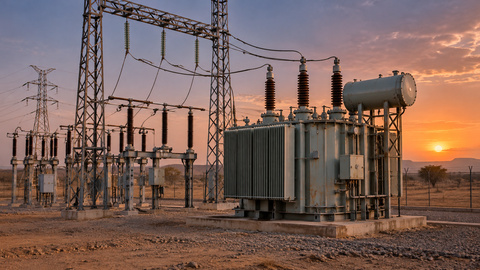
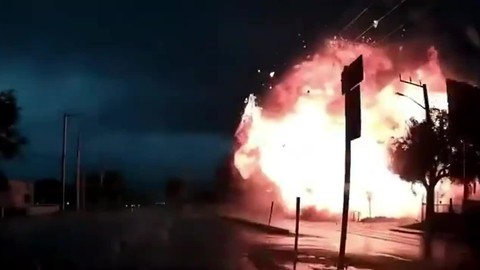
Drone strikes knocked out electrical substations in the northern Sudanese towns of Al-Dabbah and Abu Hamad on November 1, according to Associated Press reporting and residents. On Monday, November 2, local witnesses told Anadolu that further attacks hit substations in Aroma and New Halfa in eastern Kassala state, producing widespread blackouts.
Emergency Lawyers, a Sudanese rights organization monitoring the attacks, reported about 15 power facilities targeted since early October. The count describes facilities reported targeted, not necessarily permanently destroyed or all struck during one day. Anadolu separately reported a count of 15 stations over the past week; its reporting window differs from the rights group’s since-early-October count.
Who is blamed—and what remains unclear
The Sudanese government and Emergency Lawyers blamed the Rapid Support Forces, a paramilitary force fighting Sudan’s regular army since April 2023. The RSF did not publicly provide a detailed response to all the incidents in the available reports. It has said more generally that it seeks to protect civilians.
Sudan’s Foreign Ministry also accused Ethiopia of involvement in drone operations and made claims about external support. Those are government allegations, not independent findings; Ethiopia did not immediately comment in the cited reporting and the United Arab Emirates has denied supplying the RSF.
Why electricity losses can be lethal
Loss of grid power affects more than household lighting. Hospitals need stable electricity for dialysis, blood banks, operating rooms and refrigeration of medicines. Water stations need electric pumps; bakeries, markets, cold storage and irrigation systems also depend on reliable supply.
Residents in Al-Dabbah described burned electrical equipment and a city without power. AP reported that the substation guard was killed and that shortages of diesel prevented some businesses from running backup generators. These are locally reported consequences, not evidence that every hospital in Sudan has stopped operating.
A grid already weakened by civil war
Sudan’s civil war has damaged infrastructure and displaced millions of people. AP reported that national power generation had fallen sharply from prewar levels and that Merowe Dam supplied a large share of remaining electricity. The exact share is a moving system figure, not a permanent constant.
An electricity crisis compounds food insecurity and healthcare shortages. It can also affect farmers at planting time when irrigation pumps depend on power and diesel is scarce.
Accountability and humanitarian access
Attacks affecting essential civilian infrastructure raise serious humanitarian-law questions. Whether an individual site was a civilian object, had military use or was targeted unlawfully requires evidence about the attack and context; the article should not issue legal findings that an independent investigator has not made.
The priorities for residents are safe electricity restoration, reliable water supply, support for medical facilities and access for independent investigation. Updated, sourced facility counts are needed before further publication.