False alarms during a real war
Residents in Ukraine and Russia received alarming mobile notifications on the night of November 1–2. Ukraine’s Air Alert application displayed warnings about radiation levels, chemical threats and street combat in or around Kyiv. One message referenced Russia’s Oreshnik missile system. Ukrainian military and communications authorities told residents there was no verified radiation emergency and urged them to disregard the bogus messages.
Hours later, Russia’s Emergency Situations Ministry acknowledged a cyberattack involving its app. Russian users reportedly received false nuclear-alert messages. The ministry said the broader public warning system, including other communication channels, remained operational.
How authorities responded
The Ukrainian app service was temporarily suspended while administrators investigated unauthorized access. Officials directed users toward other official channels and physical alerts and later reported restoration. AP said the military operates separate communications, so app disruption did not amount to proof that military warning systems were breached.
Russian authorities said they were addressing the vulnerability. Neither government provided a complete public forensic report establishing how attackers accessed the service, how many users received messages or which organization carried out the intrusion.
Claims of responsibility are not proof
Some online posts linked the activity to named hacker groups, and Ukrainian sources suggested hostile interference. Such statements are claims or early assessments, not independently authenticated attribution. The incidents occurred hours apart, but proximity in time does not demonstrate common control or coordination.
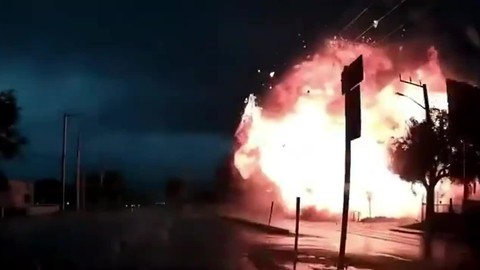
The content of the alerts was false. The case should not be framed as an actual nuclear launch, radiation leak or confirmed chemical attack.
Why civilian-alert reliability matters
Ukraine relies on air-raid warning services because missile and drone strikes are an ongoing threat. A malicious alert can cause panic, while repeated false alarms can weaken confidence and make people less likely to respond promptly when a genuine warning arrives.
Redundant warning paths—sirens, broadcast messages, SMS, official emergency channels and authenticated applications—reduce reliance on one compromised service. These are general resilience principles; the episode alone does not demonstrate that all systems were compromised.
What investigators still need to establish
A complete account would identify the technical vulnerability, scope of access, restoration safeguards, whether users clicked malicious links and the perpetrators. As of the November 2 reporting, those points had not been independently established.