What Washington announced
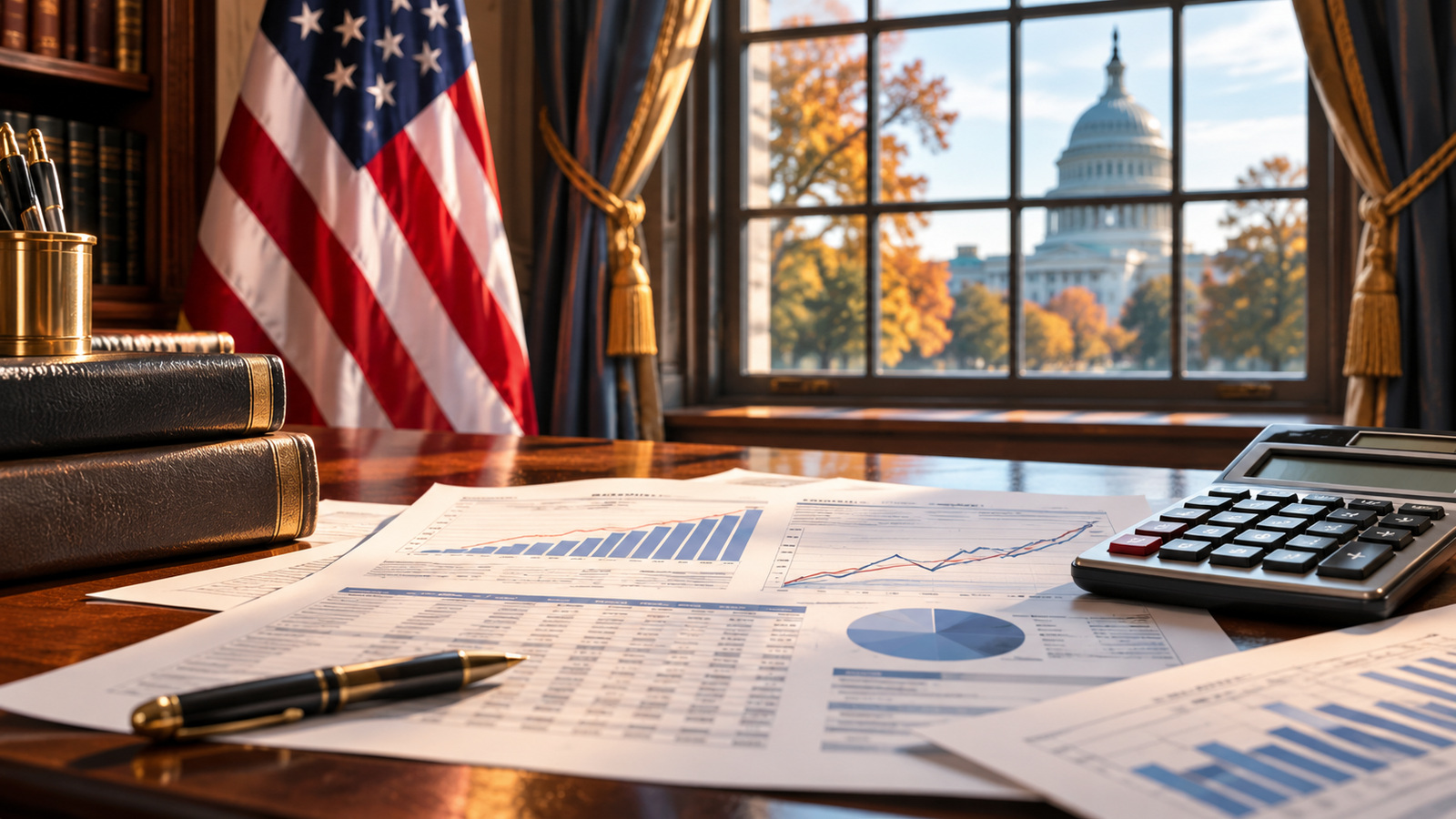
On Wednesday, November 25, U.S. Trade Representative Jamieson Greer said the government had made Section 301 determinations concerning 14 trading economies. USTR says each used industrial policies that created or sustained manufacturing capacity beyond what ordinary market demand would support, restricting opportunities for U.S. producers. Its list spans China, the European Union, Singapore, Switzerland, Indonesia, Malaysia, Cambodia, Thailand, South Korea, Vietnam, Taiwan, Bangladesh, Japan and India.
The inquiry began with 16 economies. USTR said it had not yet made determinations for Mexico or Norway. The European Union counts as one of the 14 economies in the announcement; the figure should not be described as 14 individual countries.
How the tariff proposal would work
Section 301 of the Trade Act of 1974 permits the United States to investigate certain unfair trade practices and respond through trade measures. In this proposal, China could face duties of up to 20% on specified goods, but the official notice includes exclusions, different treatment for annexed products and adjustments related to existing tariffs and trade commitments. Other partners have different proposed ceilings and exclusions. It would be inaccurate to say every imported item from all 14 partners will immediately face a new flat 20% tax.
A notice-and-comment process and hearing are expected before rates are finalized. Reuters reported that implementation could slip into January 2027. Neither a final effective date nor the real-world cost to American purchasers is settled by today's announcement.
The administration's case
Greer argues that industrial subsidies, below-market financing and production incentives abroad can displace American factories and jobs. USTR has published economy-specific assessments to substantiate its determinations. Trade officials also say the design accounts for earlier tariffs and negotiated trade arrangements, rather than always stacking one new flat rate on top of every existing duty.
The counterarguments and economic risk
Trading partners, including China, reject the portrayal that their manufactured exports are primarily the result of unfair practices. Supporters of tariffs believe higher barriers can deter unfair subsidies and encourage domestic investment. Opponents point out that tariffs raise the landed cost of imported components and finished goods and can increase prices or reduce choices for U.S. businesses and families. Foreign governments may respond with trade restrictions of their own.
Much will depend on the final rate schedules, exclusions, partner negotiations and whether domestic industries can expand production at competitive cost. This is a proposed change to trade policy, not proof that manufacturing jobs will return or consumer prices will rise by any particular amount.
What to watch
The next meaningful milestones are the formal notice, comment deadlines, hearing, possible revisions and announced implementation date. Reporting that countries are targeted is justified now; reporting that the new tariffs have already been imposed is not.