The decision before Brazil
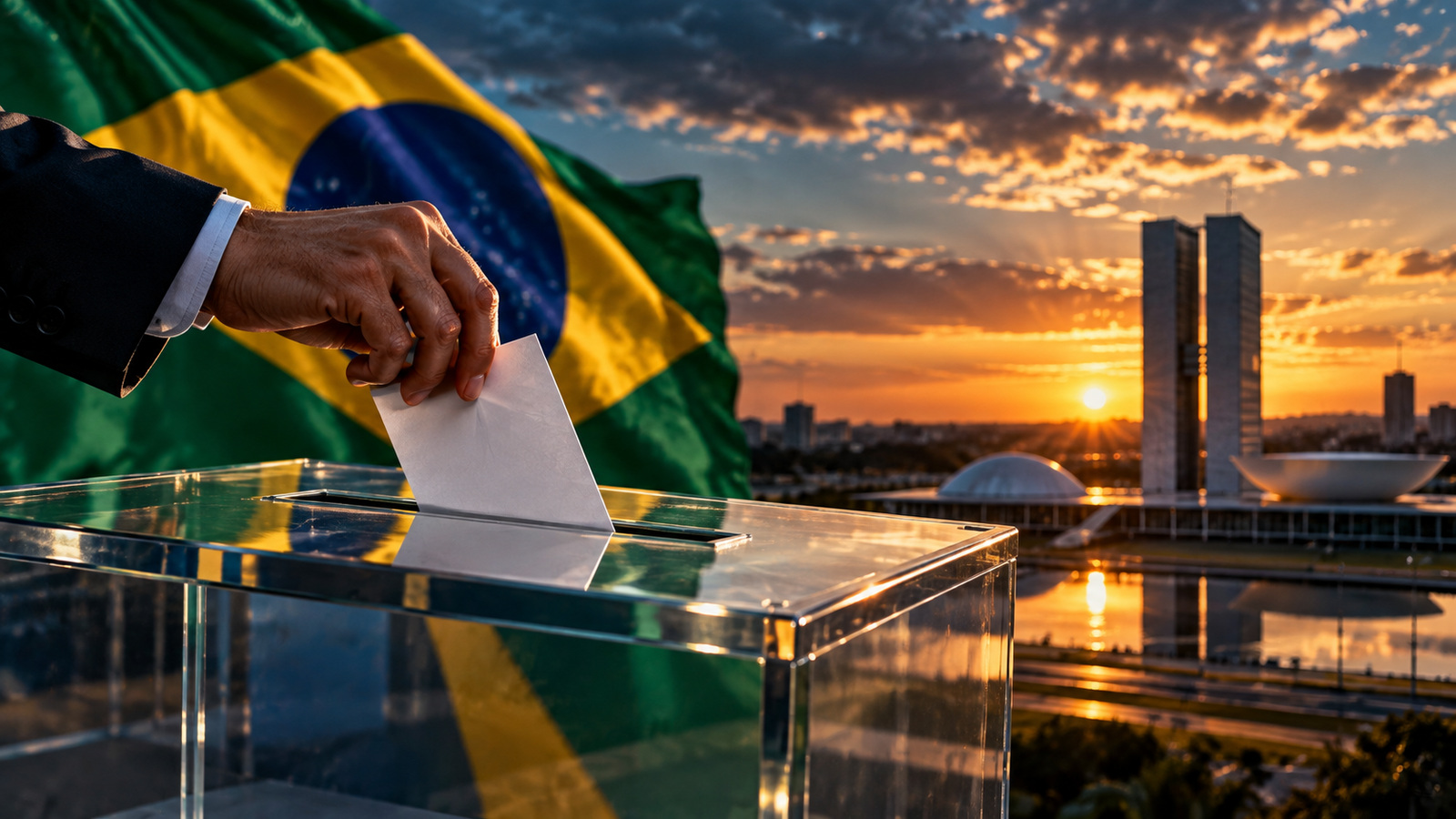
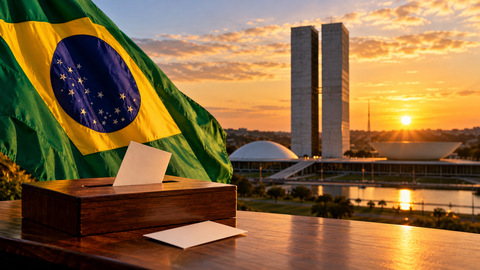
Nearly 160 million Brazilians are eligible to choose a president in Sunday's October 25 runoff, with voting compulsory for most eligible adults. Incumbent Luiz Inácio Lula da Silva seeks another term while Sen. Flávio Bolsonaro challenges him from the right. The vote will determine leadership of Latin America's largest economy and influence policy on welfare, crime, economic growth, the environment and foreign relations.
What the first round established
According to Agência Brasil, the official public news agency, Flávio Bolsonaro led the October 4 first round with 47.03% of valid votes, while Lula secured 45.16%. Because neither won a majority of valid votes, the race went to a runoff. Those figures describe an actual completed vote, and should not be confused with subsequent opinion polling.
The final debate
The candidates met Friday, October 23 for their last televised debate, hosted by Globo. Reuters reported exchanges over living costs, security, social programs and corruption allegations. Lula defended his record and policies designed to support lower-income households. Bolsonaro emphasized criticism of the government and a tougher approach to crime. Both used personal attacks as well as policy arguments; the rhetoric does not establish the truth of every claim each candidate made.
What the latest polling does—and does not—say
Datafolha surveyed 2,520 people aged 16 or older in 154 municipalities October 20–22. It measured 47% support for Bolsonaro and 46% for Lula among all respondents, with 5% blank/null and 2% undecided. Recalculating only valid-vote intentions produced a 50%–50% tie. Datafolha reported a two-percentage-point margin of error at 95% confidence. The tie therefore does not predict a winner; turnout, late decisions and sampling uncertainty could affect the outcome.
Why the result matters
Both candidates offer different visions for the economy, public security and Brazil's international relationships. Investors and neighboring governments are watching because changes in Brazilian policy can influence regional trade, energy, environmental protection and relations with the United States and China. The contest is not simply a replay of 2022, because Flávio Bolsonaro—not his father Jair—is the candidate.
Next step: votes, then verified results
Polls close Sunday, and election officials are expected to publish electronic tabulations afterward. The only defensible pre-election conclusion is that the contest is close and consequential; any declared winner must come from the actual official count, not from the Friday debate or opinion surveys.