A closely watched vote
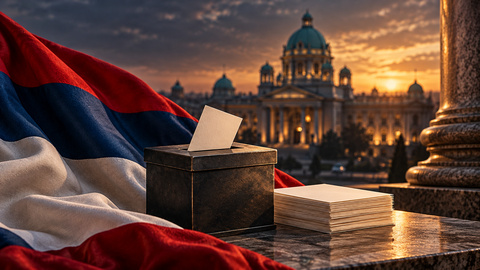
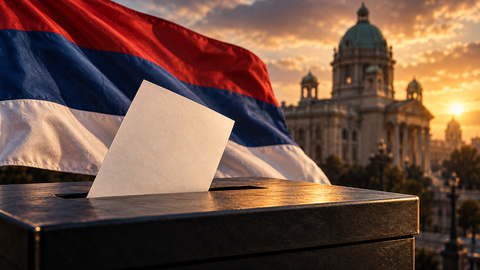
Serbia opened voting Sunday, October 25, for a snap election to its 250-seat National Assembly. The Serbian Republic Electoral Commission confirmed the election date, and Associated Press reporting said voters faced 18 candidate lists. Much of the contest is focused on two broad alternatives: the Serbian Progressive Party (SNS), associated with longtime leader Aleksandar Vučić, and a student-backed list supported by a protest movement.
The vote is for Parliament, not a direct presidential contest. Vučić resigned as president in September and is seeking to lead a government as prime minister if his political grouping prevails. Headlines describing him as the sitting president are outdated.
Why the students became political challengers
The movement accelerated after the November 2024 collapse of a canopy at the Novi Sad railway station killed 16 people. Protesters have argued that the disaster reflected corruption, defective oversight and a lack of accountability in public construction. The deaths themselves are established; allegations assigning responsibility beyond findings of investigations and courts should not be treated as verdicts.
University students organized sustained protests and attracted wider support from teachers, farmers and other groups. A student-backed electoral list includes professionals and civic figures rather than simply a slate of university students. Organizers emphasize corruption enforcement, better institutions and education.
What the incumbent political movement argues
The SNS camp campaigns on continuity, stability, economic development, higher pensions, infrastructure and public services. It disputes critics' depiction of a system beyond democratic repair and warns that a dramatic political break could bring instability.
Serbia also faces consequential foreign-policy choices. Its leaders seek ties with the European Union while maintaining close relations with Russia and China. Any government will face pressure over rule-of-law reforms and these competing relationships.
Voting is not the same as a result
Polls leading up to the election indicated a competitive contest, but opinion surveys vary and do not establish a winner. Monitoring groups have raised concerns about media access, voter lists and ballot secrecy; election officials and parties may contest particular allegations. The presence of allegations should not be generalized into a finding of fraud before specific evidence is evaluated.
The electoral commission schedules polls to close at 8 p.m. Serbian time, with preliminary indicators expected afterward. Today's edition is deliberately written as a polling-day report, not a declaration about seats, turnout or a government that has yet to be formed.
What happens next
Seat allocation and coalition-building matter more than a single party's early vote share. A government will need a workable majority in the Assembly. Observers will examine turnout, formal tallies, complaints and transparency in certification.
For Serbia's public, the result could affect corruption oversight, economic priorities, civil liberties and international alignment. None of those effects is guaranteed merely by the identity of the winning list.