October 18, 2026 | Sunday reporting snapshot; casualty and arrest figures subject to updates
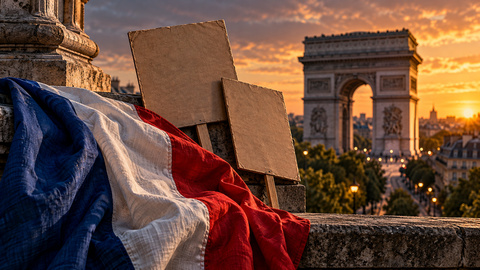
France began assessing extensive damage on Sunday after hundreds of thousands of people marched the previous day over rising living costs and deteriorating school conditions. Most demonstrators were peaceful. But fires, looting and clashes on the fringes of the gatherings scarred Paris and numerous other cities, while police reported a person died after cardiac arrest during the unrest.
Authorities and organizers disagree about the size of the national turnout. Police arrest counts also grew rapidly and differ depending on when the figures were recorded. Accurate coverage must keep those figures separate rather than collapse them into a single final total.
Who was protesting, and why?
Students have protested school conditions and teacher shortages in France since September. Labor groups and other activists then joined broader calls over wages, pensions, energy costs and public services. Some organizers invoked the yellow vest movement that began in 2018 as a symbol of concerns about household costs and economic inequality.
The demonstrations on Saturday, October 17, spread across much of the country. Interior Minister Laurent Nuñez said approximately 550,000 people participated in 110 marches. Organizers, including the CGT labor union and student groups, claimed roughly 800,000. These are rival counts made by different parties, not an exact census; both point to participation on a national scale.
What happened in the streets?
In central Paris, masked groups threw projectiles and fireworks, damaged public property, set vehicles or other objects alight and looted shops. Police responded with tear gas and water cannons. Elsewhere, damage was reported in Lyon, Marseille, Bordeaux and other cities.
The 19th-century City Hall in Limoges was set on fire and severely damaged. The blaze and accounts of other assaults on municipal buildings emphasized that the destruction went beyond scattered clashes with police.
Reuters reported more than 600 injured officers in its Sunday account. Such official injury totals are important but should be identified as reports by the authorities at a specific point; precise later counts can change. Businesses and municipal officials also reported extensive damage and the beginnings of a large cleanup effort.
Did someone die in the demonstrations?
French police reported that one person died following cardiac arrest in Paris during the demonstrations. The Paris prosecutor's office is investigating. Available public reporting does not establish that police force, a projectile or direct violence caused that death. Those questions must not be answered by assumption, even in a headline focused on violent unrest.
Separately, a young demonstrator in Saint-Étienne reportedly lost a hand on Saturday. Officials launched an investigation; French media raised questions about a police grenade, but the interior minister did not confirm that cause. These are separate incidents with separate evidentiary questions.
Why arrest totals differ
On Sunday, the Associated Press reported at least 1,800 arrests nationwide; a Reuters account reported more than 2,000. These reports were published and updated at different times during continuing police operations. Treat them as a running tally, not proof that one outlet must be wrong.
An arrest also is not a conviction. Determinations of responsibility for arson, theft, attacks on officers or any misconduct by police require investigations and legal process.
How officials and political groups responded
President Emmanuel Macron condemned attacks on businesses, municipal buildings and police while recognizing that people may protest peacefully. His office announced a national address for Sunday evening. The government blamed organized violent groups from the far left and opportunistic criminals for much of the destruction.
That is the government's characterization of responsibility, not an independently established identification of every person involved. Protest organizers have argued that legitimate demands about schools and living costs are being overshadowed by those who resorted to violence. Left-wing politician Jean-Luc Mélenchon participated in demonstrations but rejected looting and destruction. Right-wing opponents of Macron have emphasized the breakdown of public order and blamed the government's record.
President Trump's social-media comments appeared to connect the unrest to immigration. AP reported French police had not made that causal attribution. Political interpretations should therefore be distinguished from facts gathered by investigators.
Rights, safety and accountability
Two basic principles can coexist: peaceful protest is a protected civic activity, and arson, assaults or theft can be prosecuted. Police have a responsibility to protect residents and protesters while employing proportionate measures, and allegations of excessive force should be independently examined.
Some of the hardest questions concern prevention: Could authorities have kept violent groups away from peaceful crowds? Were emergency services and public buildings adequately protected? Did crowd-control tactics increase or reduce danger? The evidence available so far does not settle each of these questions.
What to watch next
The next useful records are final arrest and injury counts, findings about the cardiac-arrest death and the Saint-Étienne injury, documented damage assessments and the substance of Macron's announced address. Further developments could change both the scale and the political consequences of the unrest.
Reader question
How should the public distinguish a movement's stated goals from violence carried out during its demonstrations, while still scrutinizing the government's response?