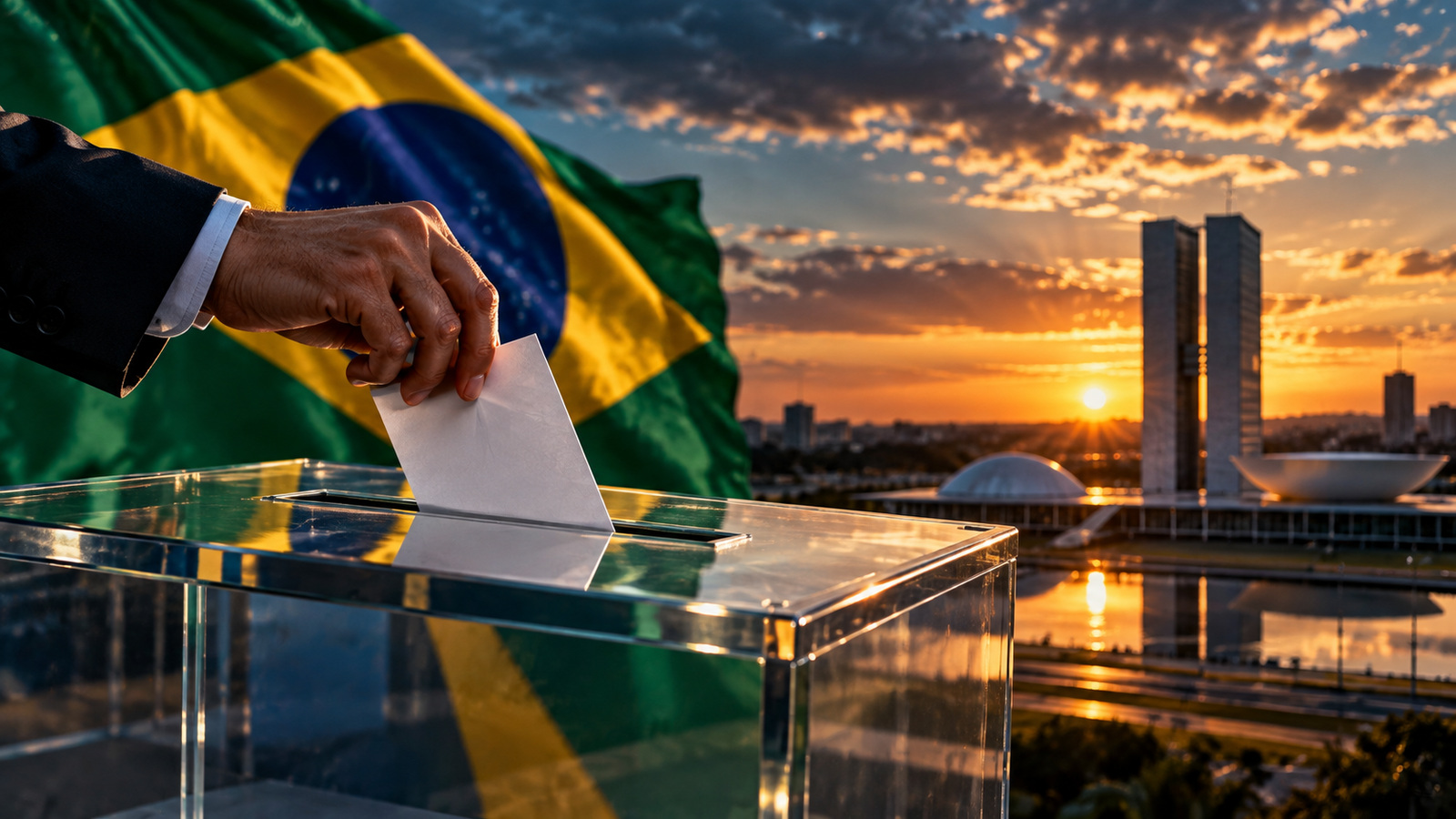
The review covers both Trump presidencies. It raises a broader question: how should an extraordinary constitutional power be judged for fairness?
What the investigation found
A Reuters investigation released October 13, 2026, identifies at least 85 U.S. public officials granted clemency by President Donald Trump after being charged with or convicted of corruption-related crimes. The count spans his first and second presidential terms; it is not a tally of only the decisions made since January 2025. Nor is it a count of every person who has received a Trump pardon.
The news organization classified recipients by political background: 36 officials elected as Republicans, 19 Republicans appointed to public office, nine additional people who had campaigned for Trump or voiced public support for his agenda, four known Democrats and 17 whose affiliation Reuters could not establish. The groupings describe the review’s methodology and should not be used to infer that all 85 had identical offenses or circumstances.
A quick explanation of presidential clemency
Article II of the U.S. Constitution gives the president broad authority to grant reprieves and pardons for federal offenses, except in cases of impeachment. A pardon is different from a commutation, which reduces a punishment while leaving the conviction in place. Neither automatically resolves every civil matter or establishes that an original charge was mistaken. Presidential clemency also generally does not erase state convictions.
The Justice Department’s Office of the Pardon Attorney ordinarily supplies review and recommendations, but its procedures are advisory. The president may exercise the constitutional power without following the office’s advice. That means an unusual choice can be lawful even if observers question the method, justification or effect.
Why the pattern is controversial
Public officials are entrusted with government authority. When officials are accused of bribery, misuse of funds, fraud or abuse of office, the public interest extends beyond the sentence in any single case: people also want institutions to deter wrongdoing and enforce standards evenly.
Reuters found a pronounced political skew in the group of 85 officials and reported that numerous recipients avoided trials, sentences or remaining imprisonment. Legal experts interviewed by the news organization said such patterns could signal preferential treatment and diminish confidence in anti-corruption enforcement. Those are interpretations of a documented set of decisions, not proof that the president committed a separate crime by exercising clemency.
The White House maintains that the president is addressing cases it believes arose from unjust or politically motivated prosecution, including what it describes as abuses under the Biden administration. There is a legitimate historical argument for broad pardon authority: it can correct disproportionate penalties, permit mercy and respond to miscarriages of justice when ordinary appeals are exhausted. Individual claims of unfair prosecution must still be considered on their evidence rather than accepted automatically.
What comparisons can—and cannot—tell us
Presidential clemency has been controversial under administrations of both parties. Previous presidents, including Joe Biden, have faced criticism over particular pardons or the appearance of family or political favoritism. Biden and Barack Obama also commuted substantial numbers of sentences, often in nonviolent drug cases. Simply comparing raw totals across presidents does not answer whether cases were alike or whether similar standards were applied.
Likewise, the Reuters classifications cannot establish the private motivation behind each grant. Political affiliation can be observable; the reasoning applied to an individual case may be disputed, private or insufficiently documented. A serious assessment looks at the underlying offense, trial record, sentence, competing fairness arguments and the published rationale for relief.
Oversight and public accountability
The Constitution gives presidents wide latitude, but reporters, legislators and voters may still scrutinize patterns. Transparent explanations and consistent standards would make controversial decisions easier to assess. Critics of clemency patterns argue that political proximity should not substitute for remorse, evidence or unequal treatment analysis. Supporters of a muscular pardon power reply that bureaucratic processes themselves can be biased or excessively slow, so presidents need independent judgment.
The core issue is not whether a president has the clemency power—he does—but what a defensible exercise of that power should look like, especially when beneficiaries once held public trust.
What to watch
Further reporting could establish details of additional cases, disputed party classifications, institutional changes in DOJ anti-corruption enforcement or whether clemency recipients subsequently returned to public office. The analysis should remain anchored to the cases Reuters actually counted, with a clear distinction between allegation, conviction and executive relief.
What readers should consider: Should presidents publish standardized explanations for clemency grants involving public officials, or would such requirements risk narrowing a necessary avenue for mercy?